
A rare meeting between two cultural forces—Meryl Streep and Anna Wintour—offers more than star power. It reveals how identity, fashion, and leadership intersect in ways that shape both industries and public perception.
Set inside a lively suite at the Crosby Street Hotel, the conversation unfolds with filmmaker Greta Gerwig guiding the exchange. The focus circles around influence, self-presentation, and the legacy of a character that still sparks debate: Miranda Priestly from “The Devil Wears Prada.”
Both women arrive in striking yellow scarves, setting a visual tone that feels almost symbolic. The discussion that follows moves fluidly between personal insights and industry realities, touching on everything from fashion codes to the weight of leadership.
A Meeting of Minds and Mirandas
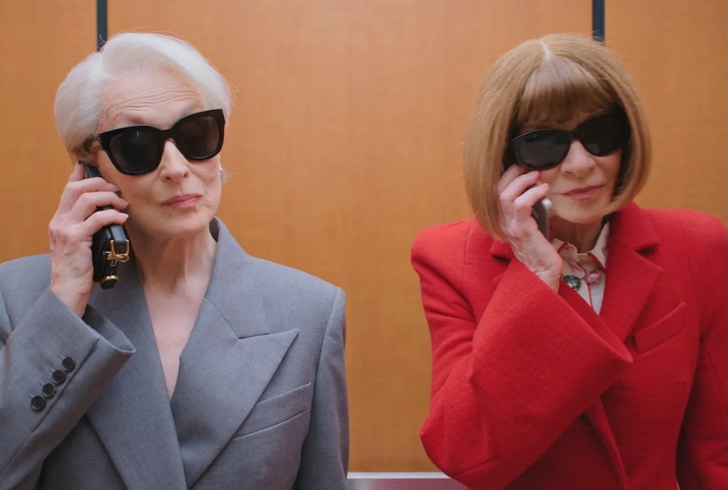
Instagram | ilovethe00s |Streep and Wintour explore how self-presentation and influence define modern cultural legacies.
The premise is simple yet compelling: what happens when the inspiration and the performer of an iconic character share a room? Greta Gerwig, who directed Streep in “Little Women” (2019), moderates with clear enthusiasm. Known for her admiration of “The Devil Wears Prada”, she steers the conversation with thoughtful questions.
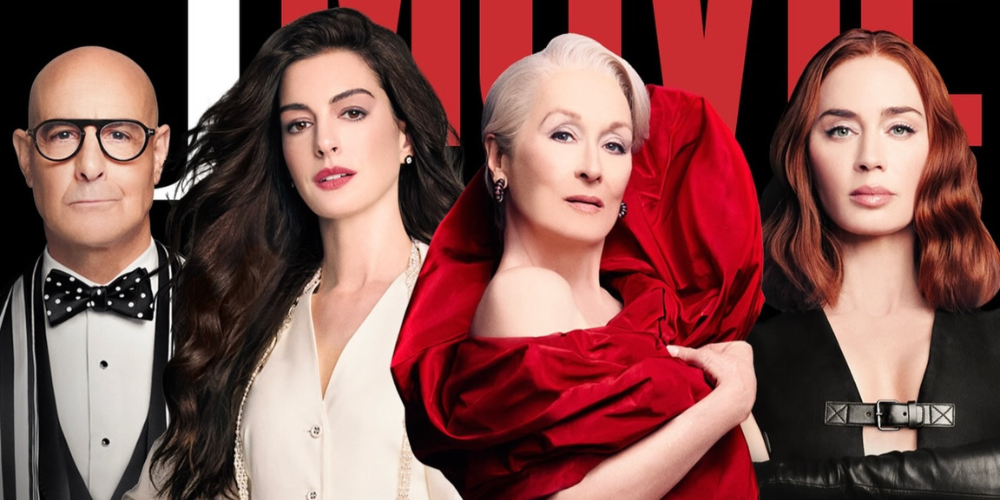
The timing feels deliberate. With “The Devil Wears Prada 2” set to release on May 1, the discussion carries both nostalgia and anticipation. Months of planning led to this moment, paired with a high-profile photoshoot by Annie Leibovitz and styling by Grace Coddington. The collaboration itself signals the magnitude of the event.
Inside the suite, the tone remains relaxed. Conversations drift from parenting and politics to theater and work-life balance. Gerwig shares the emotional challenge of returning home after filming her upcoming “Narnia” project, recalling how her children reacted during her absence. Streep responds with quiet understanding, adding a sense of shared experience.
Fashion as Identity and Authority
The conversation quickly turns to fashion, a natural entry point given the legacy of “The Devil Wears Prada.” Coats, in particular, become a symbolic starting point.
“I like coats,” Streep remarks. “They cover all the sins of whatever else is underneath.”
Anna Wintour adds a practical note: “And they’re easy to try on.”
This light exchange opens a deeper discussion about how clothing communicates authority—especially for women. Gerwig raises a key point: while men often follow a clear dress code tied to ambition, women face more ambiguity.
Wintour challenges the idea of a “power uniform.” She points to figures like Michelle Obama, whose style remains authentic regardless of brand or setting. The emphasis stays on individuality rather than conformity.
“I don’t think wearing a power suit to the office is in any way necessary,” Wintour explains. “The women one admires always look like themselves.”
Streep expands on this, highlighting the political and social layers embedded in fashion. She references a widely discussed moment involving Melania Trump’s jacket with the phrase “I Really Don’t Care, Do U?” as an example of how clothing can send powerful, and sometimes controversial, messages.
“All dress is about expressing yourself,” Streep says. “But we’re also subject to larger historical and political sweeps of expectation.”
She notes a persistent imbalance: women in power often face pressure to appear less threatening, even in professional settings. Bare arms on television become symbolic of a broader expectation—one that contrasts sharply with how men present authority.
Acting, Power, and the Evolution
The conversation shifts toward performance and character, particularly the enduring impact of Miranda Priestly. Gerwig draws a connection between classic Hollywood roles and the bold presence of Miranda.
She references actresses like Bette Davis and Rosalind Russell, whose characters carried strength and complexity at a time when women held limited power in real life. Streep agrees, suggesting that these roles were possible because they didn’t threaten male dominance.
“It was fun,” she says. “It was like cross-dressing.”
Miranda Priestly, however, exists in a different context. She represents real authority, not just theatrical bravado. That distinction gives the character lasting relevance.
Gerwig asks why Streep chose to revisit the role after two decades. The answer centers on curiosity about leadership in a changing world.
“I was interested in the business part of it,” Streep explains. “Carrying the weight of many people’s jobs, running a big organization, keeping it going.”
She also reflects on the uncertainty shaping modern institutions. The sequel explores how industries adapt—or struggle—under pressure.
“I wondered what they were going to do,” she says. “And I do think they’ve located something true about the business now.”
Wintour offers a more optimistic perspective. She views fashion as an industry that evolves rather than collapses.
“We are still here,” she says. “We’re all doing our jobs—in different ways and across multiple platforms.”
The Changing Face of Fashion
Fashion, once viewed as exclusive, has shifted toward broader accessibility. Gerwig raises the question of why it was once seen as elitist.
Wintour attributes this perception to the dominance of haute couture in earlier decades. High fashion was limited to a small group, often tied to wealth and status. Today, the influence of fashion extends across all levels of culture.
“It’s central to the culture,” Wintour explains.
She points to collaborations between major brands and influential designers as evidence of this shift. Companies like Zara, Gap, Coach, and Uniqlo now work with top creative talent, blending accessibility with design innovation.
This democratization has expanded fashion’s reach. It no longer belongs to a select few; it shapes how people express identity on a global scale.
Aging, Experience, and Relevance
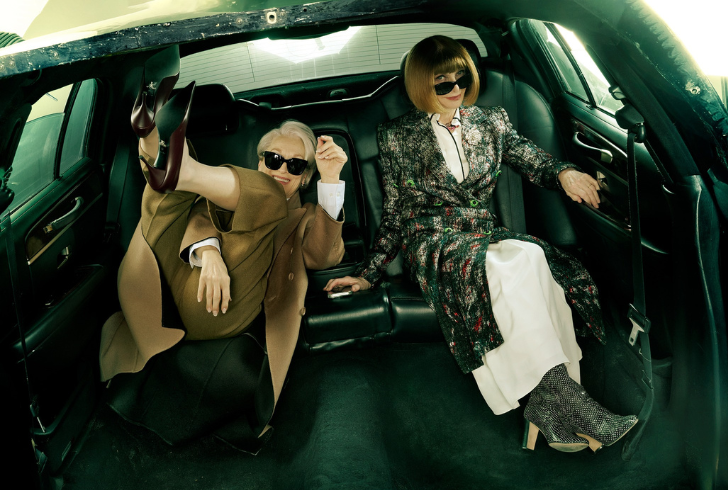
Instagram | annieleibovitz | For Wintour and Streep, aging is an evolution fueled by a refusal to let setbacks dampen their creative or professional fire.
The discussion takes a personal turn when Gerwig asks both women about being 76. The question carries admiration, reflecting how both figures continue to influence their fields.
Wintour responds with clarity and confidence.
“I like my age,” she says. “I feel as alive, excited, and aware as ever.”
She views experience as an advantage, offering perspective and resilience. Challenges become easier to manage with time, and setbacks lose their intensity.
Streep approaches the topic differently, focusing on curiosity as the key to staying engaged.
“That’s the key to being alive,” she says. “Always breaking new water. Always breaking the waves.”
She describes how she built Miranda Priestly by drawing inspiration from real-life figures, many of them men. This choice allowed her to explore authority without limitation.
Both women reject the idea that age diminishes relevance. Instead, it sharpens focus and deepens understanding.
Legacy and Influence Across Generations
The conversation naturally moves toward legacy. Gerwig reflects on how filmmaking knowledge passes from one generation to another. She mentions figures like Mike Nichols and Robert Redford, whose influence remains even after their passing.
Streep offers a deeply personal perspective.
“We don’t lose people,” she says. “We keep them and they keep working.”
This idea extends beyond film. Wintour applies a similar principle to her work at Vogue. The publication’s identity remains rooted in its history while adapting to modern demands.
“When you understand your history, that’s when you can move forward,” she explains.
The balance between tradition and change becomes a recurring theme. It defines both fashion and storytelling, shaping how each evolves without losing its core identity.
Work, Family, and the Reality of Balance
The discussion turns to family life, particularly the challenges of balancing demanding careers with personal responsibilities. Gerwig highlights a common question faced by women: how to manage work alongside motherhood and, later, grandmotherhood.
Streep describes her experience with striking honesty. With six grandchildren under the age of six, time becomes a precious resource.
“It’s just grabbing seconds,” she says. “Grabbing everything you can of them.”
She reflects on the fleeting nature of childhood, emphasizing the importance of presence. Travel between coasts adds complexity, but the effort remains worthwhile.
Wintour shares a similar perspective, though her approach focuses on structure and commitment. She recalls prioritizing important family moments, from school events to daily routines.
“Vogue could always wait,” she says.
Her emphasis on tradition stands out. Family gatherings, celebrations, and shared activities create a sense of stability, even within a fast-paced lifestyle.
“It’s family that counts,” she adds. “If you have that, everything else will be fine.”
Commitment, Uncertainty, and Work
Gerwig introduces a quote from Streep that resonates throughout the conversation: “Life begins when you make a commitment.”
This idea ties into the unpredictability of creative careers. Streep describes acting as inherently unstable, marked by periods of uncertainty.
“You’re chronically unemployed,” she says.
Unlike other professions, acting offers no clear progression. Success can arrive suddenly, but building a meaningful body of work takes time and persistence.
Tom Stoppard’s advice—“You’ve got to shift your weight”—captures this reality. Adaptability becomes essential, both in art and in life.
Wintour echoes this sentiment from a leadership perspective. She points to the challenges faced during the COVID-19 pandemic, when traditional workflows no longer applied.
“You find a way,” she says.
She shares a personal story about her son, who worked in a hospital during the crisis. His experiences provided a sobering reminder of the world beyond fashion, reinforcing the importance of perspective.
Creativity, Leadership, and Mutual Respect
As the conversation continues, both women reflect on each other’s roles. Wintour expresses admiration for Streep’s ability to bring characters to life, while Streep acknowledges the complexity of running a global organization.
“I would dread the shoes,” Streep jokes, referring to the daily demands of Wintour’s role.
Yet she also recognizes the appeal of working with young talent and fostering creativity. The idea of building something that resonates with people remains a shared motivation.
Wintour, in contrast, downplays her own talents with humor.
“I have absolutely no gifts at all,” she says, before listing skills she claims to lack.
The exchange highlights mutual respect, grounded in an understanding of each other’s challenges.
Style Evolution in “The Devil Wears Prada 2”
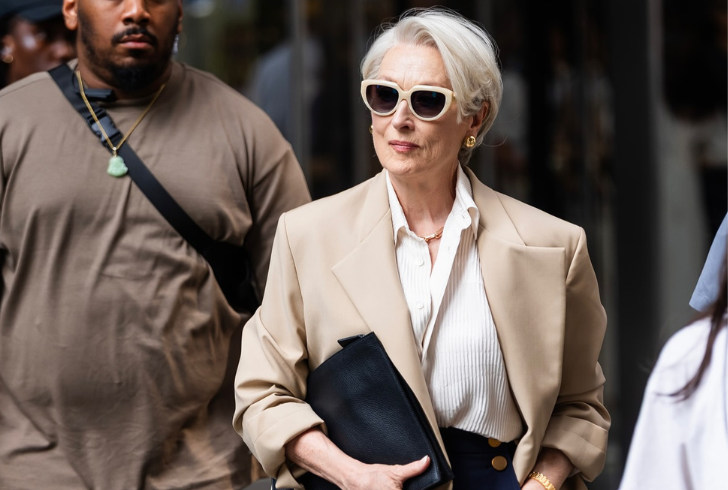
Instagram | wmag | The sequel redefines Miranda’s look, overcoming the initial hesitation brands had toward her formidable reputation.
The discussion returns to Miranda Priestly, focusing on how the character’s style has changed in the sequel. In the original film, designers were hesitant to contribute clothing, partly due to the character’s intimidating reputation.
This time, the approach feels more refined.
“We made her simpler,” Streep explains. “More essentially her.”
The updated look reflects confidence without excess. Accessories remain important, but the overall aesthetic leans toward clarity rather than spectacle.
Wintour names a favorite piece: the red “Jezebel” dress designed by Pierpaolo Piccioli. The choice underscores how costume design continues to shape character identity.
“Costume is character,” Streep notes, drawing from her background in costume design.
The Reality Behind the Scenes
The conversation also reveals the emotional distance required to portray a character like Miranda. While the rest of the cast formed close bonds during the original film, Streep maintained separation to preserve the role’s intensity.
“I was sitting in my trailer just miserable the whole time,” she recalls.
Instead of socializing, she focused on knitting—a practice that helped maintain concentration. Reading, she explains, would have divided her attention.
Gerwig shares a similar experience from her own directing work, noting how leadership roles can create unintentional distance. The ability to step away at the right moment becomes a skill in itself.
“The art of the drop-by is also good,” Wintour adds, offering a practical solution.
The conversation between Meryl Streep and Anna Wintour highlights how power, style, and identity connect across industries. Both bring a clear sense of purpose shaped by years of experience. Fashion stands as a form of expression that reflects culture and perspective, while acting reveals layers of leadership and human behavior.
The return of Miranda Priestly in “The Devil Wears Prada 2” reflects these shifts, showing how the character adapts within a changing world. At its core, the discussion points to one idea: staying authentic matters. A grounded approach continues to define lasting influence, whether in fashion or film.