

A noticeable shift is taking shape among high-net-worth individuals who once favored Dubai. Recent unrest in the Middle East has raised concerns, pushing some wealthy British expats to rethink long-term plans.
While Dubai remains a global hotspot, attention is steadily turning toward Milan, a city that blends financial strength with European stability.
Reports from Eastern Eye highlight a growing pattern: affluent individuals are beginning to “abandon” Dubai in favor of Milan. This trend gained momentum even before tensions involving Iran escalated. Changes in tax policies across Europe also played a role. The UK removed its non-dom status, while Portugal tightened residency benefits, leaving wealthy individuals searching for alternatives.
Italy quickly entered the spotlight. Its flat-tax system allows foreign residents to pay a fixed €300,000 annually on overseas income. As noted by The Guardian, this amount is considered “small change for the world’s wealthiest.”
However, tax benefits alone do not explain the surge.
Stability and Structure Matter
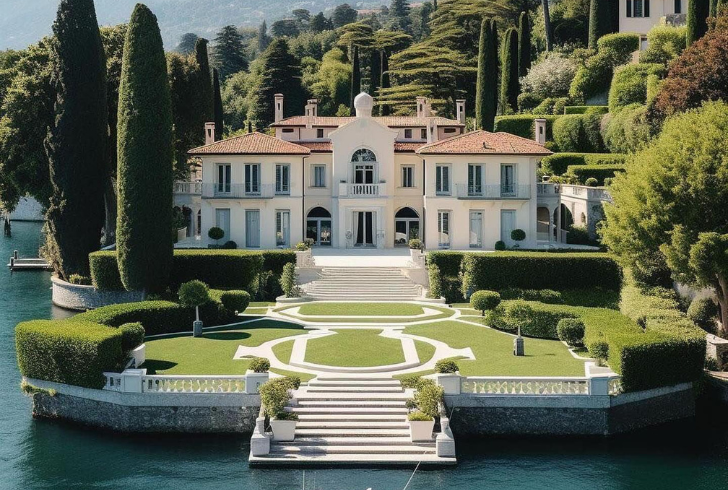
Instagram | rogerperrygroup | From palaces to penthouses, Milan’s property sector is thriving with a 38% five-year growth rate.
Milan offers more than financial incentives. According to the Economic Times, Italy’s “strong legal framework, EU membership, and relatively stable economy” make it an appealing option for affluent families. These factors create a sense of predictability, which has become increasingly valuable.
At the same time, Milan’s real estate market reflects this growing demand. Luxury property sales have reached record levels, ranging from restored historic palaces to sleek modern apartments. Over the past five years, property prices in the city have increased by 38%, signaling strong investor confidence.
A City That Keeps Moving
Milan stands apart from other Italian cities. While Rome and Venice attract tourists with their history, Milan operates as a functional and fast-paced hub. The Times pointed out that the city “actually works” and avoids the pressure of overtourism.
Its location adds to the appeal. Milan offers quick access to lakes, mountains, and coastal areas, making it ideal for both business and leisure. The city also reflects a constant drive for renewal. There is an ongoing focus on fresh ideas, new experiences, and modern living.
Infrastructure improvements support this momentum. A new high-speed rail link connects the city center to Linate Airport, cutting travel time significantly. Public transport has also improved with a “tap-in tap-out” metro system, allowing smoother movement across the city.
Meanwhile, new hotels, restaurants, and private members’ clubs are raising hospitality standards to match cities like London and New York.
Can Milan Replace Dubai?
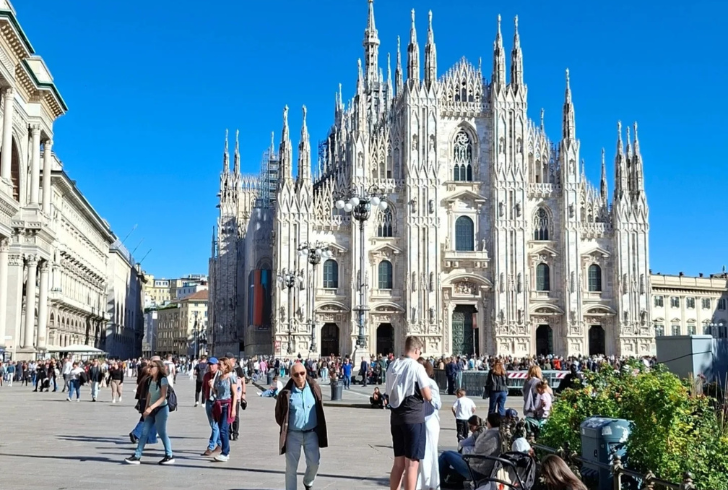
Instagram | Italy_explorers | Milan is emerging as a strategic European second home to complement Dubai for the global elite.
Despite the shift, experts remain cautious about declaring a complete transition. The Guardian noted that Milan’s rise does not guarantee Dubai’s decline. Armand Arton, an advisor to multimillionaire and billionaire families, expressed confidence that Dubai will “rebound from the current question of doubt around security.”
There are also political concerns. François Bayrou, former French prime minister, criticized Italy’s tax model, calling it “tax dumping.” Italian Prime Minister Giorgia Meloni dismissed the claim as “utterly baseless,” signaling ongoing debate within Europe.
Rather than replacing Dubai entirely, Milan is emerging as a complementary choice. According to Eastern Eye, it serves as a “strategic second home for global elites.” This approach allows wealthy individuals to maintain flexibility while prioritizing security and stability within Europe.
This shift highlights changing priorities among high-net-worth individuals. Factors such as safety, economic reliability, and quality of life are now influencing decisions as much as tax policies. While Dubai continues to hold its global appeal, Milan is steadily positioning itself as a dependable European alternative.